

RC Drift Cars – sideways with control
In RC drifting, style beats lap times. Modern rear-wheel-drive chassis with a gyro allow long, controlled drifts on smooth surfaces.
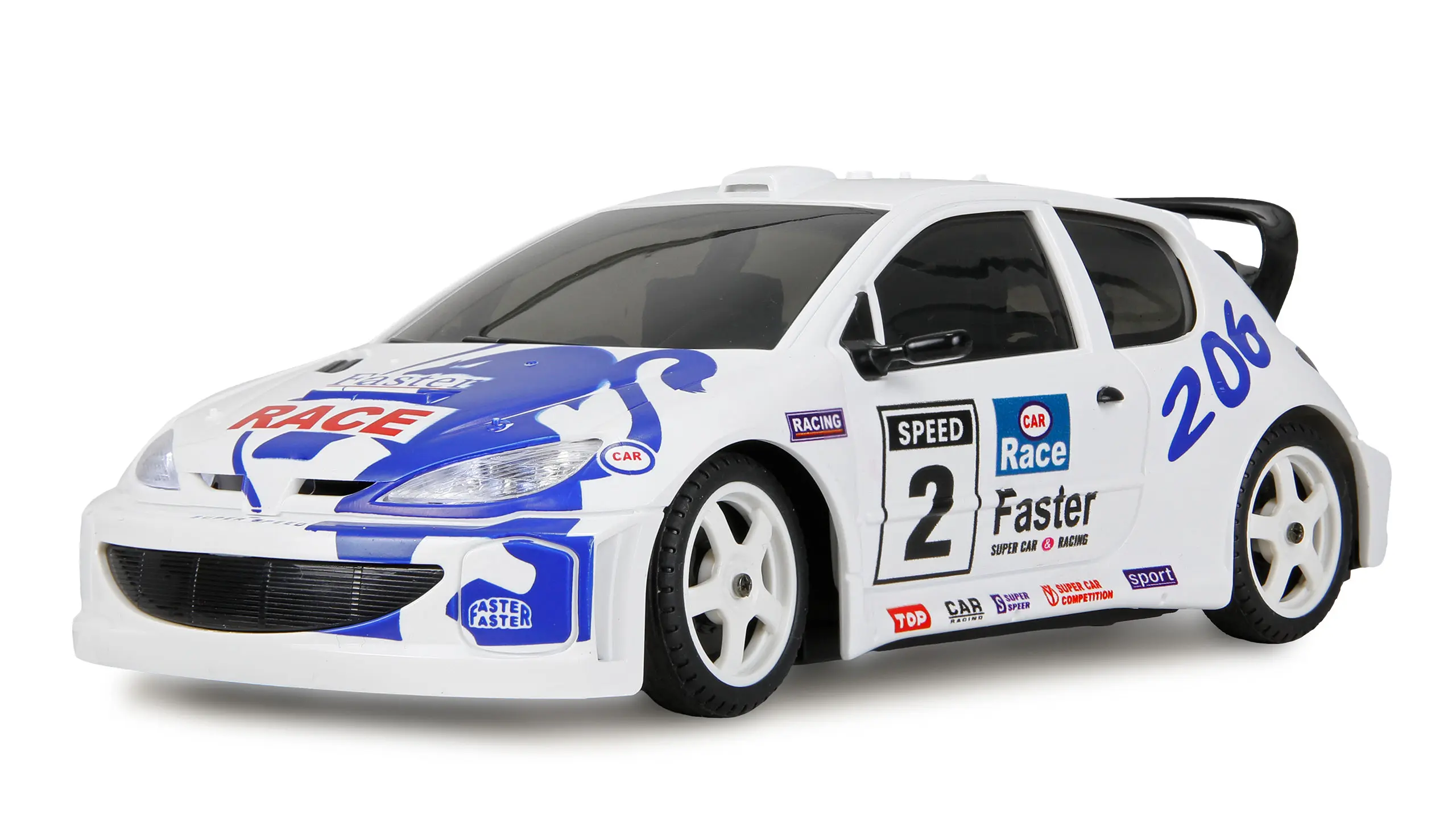

Drift Scale Car PR28 206 1:28 4WD RTR
- 10 km/h
- 1:24
- 4WD
- Brushed
- RTR
PR28 206 Drift Scale Car – precise 1:28 drifting funThe PR28 206 combines realistic proportions with highly accurate proportional steering, making it ideal for beginners and young drivers. Delivered as a complete RTR set, it includes transmitter, battery and charger for immediate use.Handling & Stability4WD shaft drive for optimal tractionAdjustable gyro sensitivityIntegrated gyro for stable driftingReliable 2.4GHz 3-channel radio systemDrift or Race – both possibleIncludes drift wheels and road wheelsLED lighting for enhanced visibilityDetailed ABS bodyElectronics130 brushed motorElectronic brake and brushed ESCReplaceable 1S 500mAh LiPo battery with up to 20 min runtimeTop speed: 10 km/hTechnical DataScale: 1:28Length: 165 mmWidth: 85 mmHeight: 60 mmWeight: 216 g incl. batteryWheelbase: 104 mmRange: approx. 30 mIncludedPR28 206 model2.4GHz transmitterLiPo batteryUSB charging cableExtra road tiresAccessories, tools, manual DE/ENRequired2x AA batteries for transmitter
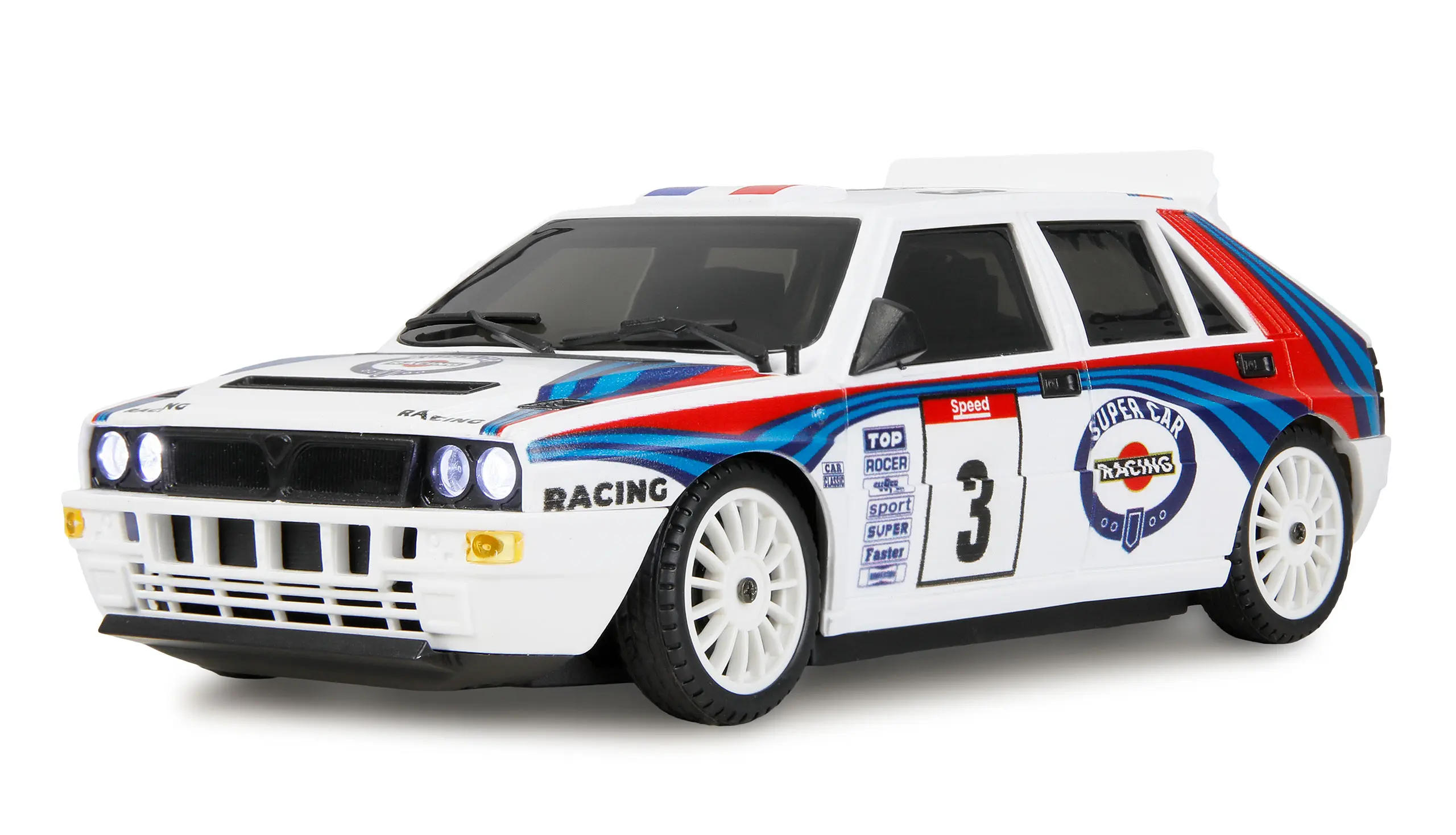
Drift Scale Car LR28 1:28 4WD RTR
- 10 km/h
- 1:24
- 4WD
- Brushed
- RTR
LR28 Drift Scale Car – realistic 1:28 drifting experienceThe LR28 Drift Scale Car combines authentic scale looks with precise proportional control. Its adjustable gyro stabilization and smooth throttle response make it ideal for beginners and young drivers while offering plenty of fun for experienced hobbyists.Handling & Stability4WD shaft drive for maximum tractionGyro sensitivity adjustable on the transmitterStable drifting thanks to integrated gyroReliable 2.4GHz 3-channel radio systemReady-to-Run PackageFully equipped RTR set including transmitter, battery and chargerReplaceable 1S LiPo battery with up to 20 minutes runtimeIncludes drift wheels and road wheelsLED lighting for improved visibilityBody & DesignDurable ABS bodyHighly detailed scale appearancePerfect for indoor and outdoor useTechnical DataScale: 1:28Length: 160 mmWidth: 80 mmHeight: 62 mmWeight: 222 g incl. batteryWheelbase: 104 mmTop speed: 10 km/hBattery: 1S 3.7V 500mAh LiPoIncludedLR28 model2.4GHz 3-channel transmitterLiPo batteryUSB charging cableAdditional road tiresAccessories, tools, DE/EN manualRequired2x AA batteries for the transmitter


CARTEN T410D 1:10 Drift Car Kit
- 1:10
- 2WD
- Kit
CARTEN T410D – 1/10 RWD Drift Car Kit with Tuning FlexibilityThe CARTEN T410D is a top-tier 1/10 scale RWD drift car kit designed for advanced hobbyists. Compact with 200 mm track width and adjustable 254–258 mm wheelbase, featuring carbon decks and aluminum components.Main Features:RWD drivetrain with ball differential for true drift performance200 mm adjustable track width254–258 mm wheelbase adjustabilityAluminum oil-filled shocks and aluminum motor/servo mountsSteel CVD drive shafts for durabilityFull aluminum suspension arms and full turnbuckle setupIncluded:Chassis with carbon decks and aluminum hardwareAluminum oil shocksSteel CVD axlesBall differentialFull turnbuckle setNot Included:Electronics (motor, ESC, radio)Body shell and wheelsAn excellent base for drift enthusiasts wanting extensive tuning options.
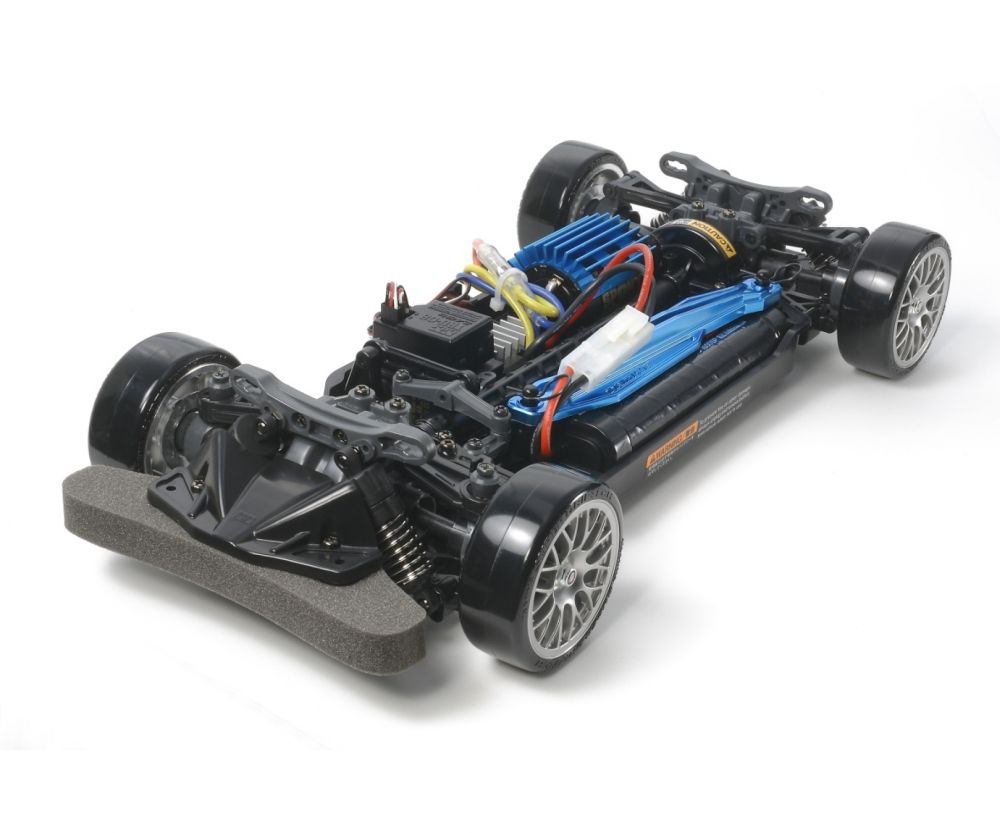

1:10 RC TT-02D Drift Spec Chassis
- 1:10
- 4WD
- Brushed
- Kit
The TT-02 chassis is Tamiya's latest entry level 4WD full independent suspension assembly kit that offers ease of assembly and easy maintenance. The TT-02D is the Drift Spec variant that includes special parts to make it a fun to drive drifting machine.Includes Super Driftech tires (24mm width) which feature a special resin compound suited to drift driving.Includes full ball bearings and CVA (oil-filled) Super Mini shocks.Tamiya Sport-Tuned Motor and Aluminum heat sink is included.Brake disc-shaped wheel hubs (silver color) and battery holder (blue) are metal-plated parts.The TT-02 chassis offers 2 different wheelbases and tread settings without the addition of Option Parts. It also supports 10 different gear ratios.The skid-shaped underside of the bathtub type frame minimizes contact with the road surface.Body is not included in this kit. Purchase a separately-sold body of your choosing and fit it to the chassis.Technical details:- TT-02D tub frame chassis- 4WD all-wheel drive- central drive shaft- Cone differential f/r with four bevel gears- double wishbones f/r- completely ball-bearing- Track adjustable, front- Independent suspension- CVA Mini oil pressure shock absorbers (Super Mini)- Electric motor type RS-540 Sport Tuned- Aluminum radiator- Battery compartment suitable for all battery types- Gear ratio adjustable in 10 steps- Variable wheelbase: normal 258 mm (257) mm/short 252 mmTechnical specifications:1:10 scaleLength 376mmWidth approx. 182mmWheelbase 257mmScope of delivery:Kit model with detailed illustrated assembly instructions
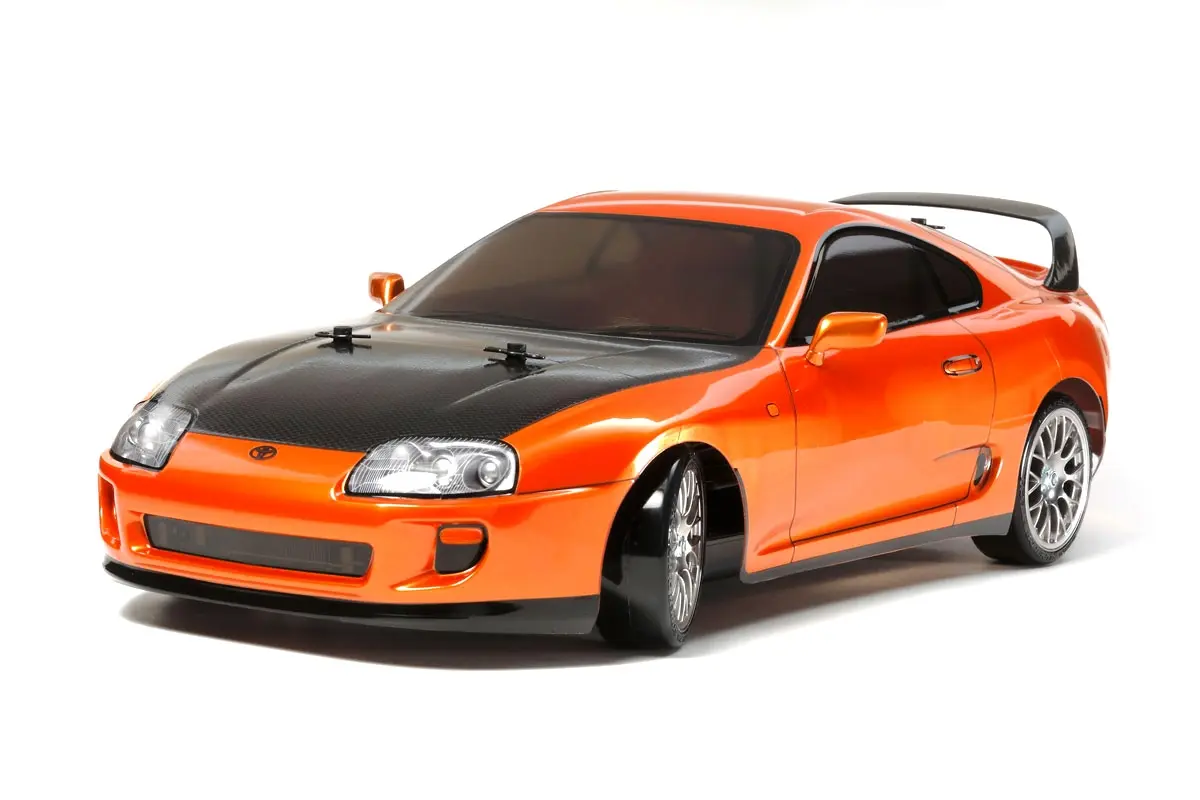
TAMIYA 1:10 Toyota Supra Drift Spec TT-02D Kit
- 1:10
- 4WD
- Brushed
- Kit
TAMIYA Toyota Supra Drift Spec TT-02D 1:10The iconic Toyota Supra is one of Japan’s most popular sports cars. TAMIYA brings it as a 1:10 drift model based on the proven TT-02D chassis, featuring a detailed polycarbonate body for realistic appearance and exciting drift action.Key FeaturesTT-02D drift tuned 4WD chassis540 Sport Tuned motorElectronic speed controller includedCVA oil shocksDrifttech tires with chrome wheels
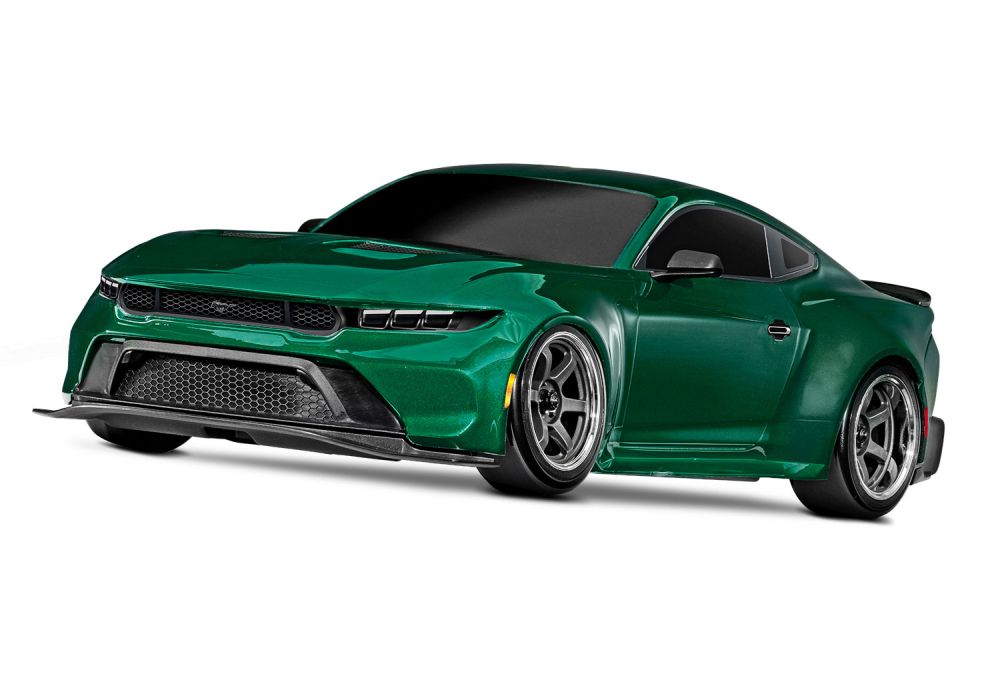

Traxxas 4-Tec Ford Mustang green Drift 1:10 RTR
- 1:10
- 2WD
- Brushed
- RTR
Traxxas 4-Tec Drift The Traxxas 4-Tec Drift is a state-of-the-art RC drift car offering unmatched precision and innovative technology for a superior drifting experience. With Traxxas Stability Management® (TSM) Drift Technology and three adjustable drift modes, it is perfect for drivers of all skill levels. Features: Over 60° steering angle for wide drifts and fast transitions Three customizable drift modes for unique driving styles Clipless Ford Mustang body for seamless and durable design Traxxas Link™ wireless module for full drift mode control Two sets of drift tires (hard and soft) for various surfaces Contents: Ready-to-run model with TQi™ 2.4 GHz 3-channel radio system Traxxas Link™ wireless module XL-5™ electronic speed controller Titan® Drift 21T motor Painted clipless Ford Mustang body Two sets of drift tires (hard and soft) Required Accessories: Battery (7-cell NiMH or 2s LiPo) Charger
RC drift car: style over lap times
RC drifting is not about crossing the finish line first – it is about sliding the car sideways through the corner in a controlled way. An RC drift car has hard drift tyres with little grip, a large steering angle and usually a gyro that stabilises the rear automatically. This allows long, clean drifts on smooth surfaces such as hall floors, tiles, parquet or smooth asphalt.
Rear-wheel drive or 4WD?
Modern competition drifters use rear-wheel drive (RWD) and a gyro – it looks most realistic and requires a feel for the throttle. 4WD drifters such as models based on the Tamiya TT-02D or the Absima SupraSlide are easier to control and ideal for getting started. Many drift fans start with 4WD and move on to RWD later.
Scale and surface
The classic is 1:10 scale, with a huge choice of bodies, wheels and tuning parts. Mini drifters in 1:28 fit on any kitchen-table track. If you like to build, choose a kit – e.g. from Carten or Tamiya – otherwise a ready-to-run RTR model. More on-road models can be found under on-road, touring cars and rally.
Frequently asked questions
What is the difference between a drift car and a touring car?
The touring car is built for grip and lap times, the drift car for controlled sliding: hard drift tyres, a large steering angle and usually a gyro.
Do I need a gyro for drifting?
With rear-wheel drive (RWD) a gyro is practically essential because it stabilises the rear in a split second. With 4WD drifters it helps but is not mandatory.
On which surface can I drift?
Ideally on smooth, clean floors: hall floors, tiles, parquet or smooth asphalt. On rough asphalt, drift tyres wear faster.